The Stepford Wives (BFI Film Classics) (2026)
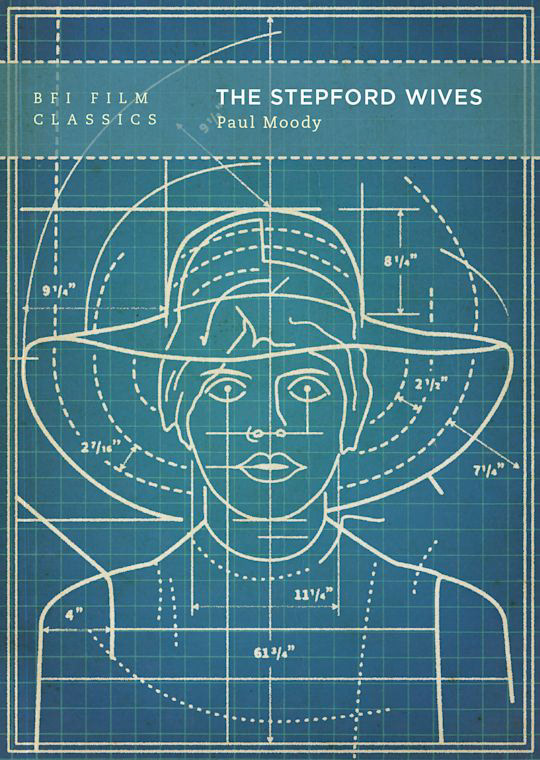
The Stepford Wives (1975) is a horror film about replacing women, responding to the concerns of second-wave feminism epitomised by Betty Friedan’s The Feminine Mystique (1963), the inspiration for Ira Levin’s 1972 source novel. Fifty years after its release, its themes of control over women’s bodies remain pertinent in a world of online performative portrayals of the #tradwife and the partial reversal of the provisions established by Roe v. Wade (1973).
Drawing on new archival research, Paul Moody explores the tensions that played out during the film’s production, including the firing of lead actors and clashes between the director, Bryan Forbes, and the screenwriter, the Academy Award-winning William Goldman—and argues that the real story of Stepford is the role played by the various women involved in the film’s production, many of whom also have been erased in the narratives told about the movie and the indelible legacy it has left on popular culture.
The Stepford Wives (1975) is a horror film about replacing women, responding to the concerns of second-wave feminism epitomised by Betty Friedan’s The Feminine Mystique (1963), the inspiration for Ira Levin’s 1972 source novel. Fifty years after its release, its themes of control over women’s bodies remain pertinent in a world of online performative portrayals of the #tradwife and the partial reversal of the provisions established by Roe v. Wade (1973).
Drawing on new archival research, Paul Moody explores the tensions that played out during the film’s production, including the firing of lead actors and clashes between the director, Bryan Forbes, and the screenwriter, the Academy Award-winning William Goldman—and argues that the real story of Stepford is the role played by the various women involved in the film’s production, many of whom also have been erased in the narratives told about the movie and the indelible legacy it has left on popular culture.
Click Image to Read a Preview
'This book makes a very significant contribution not only to British cinema history but also to British cultural history in general' - Paul Newland, Bath Spa University
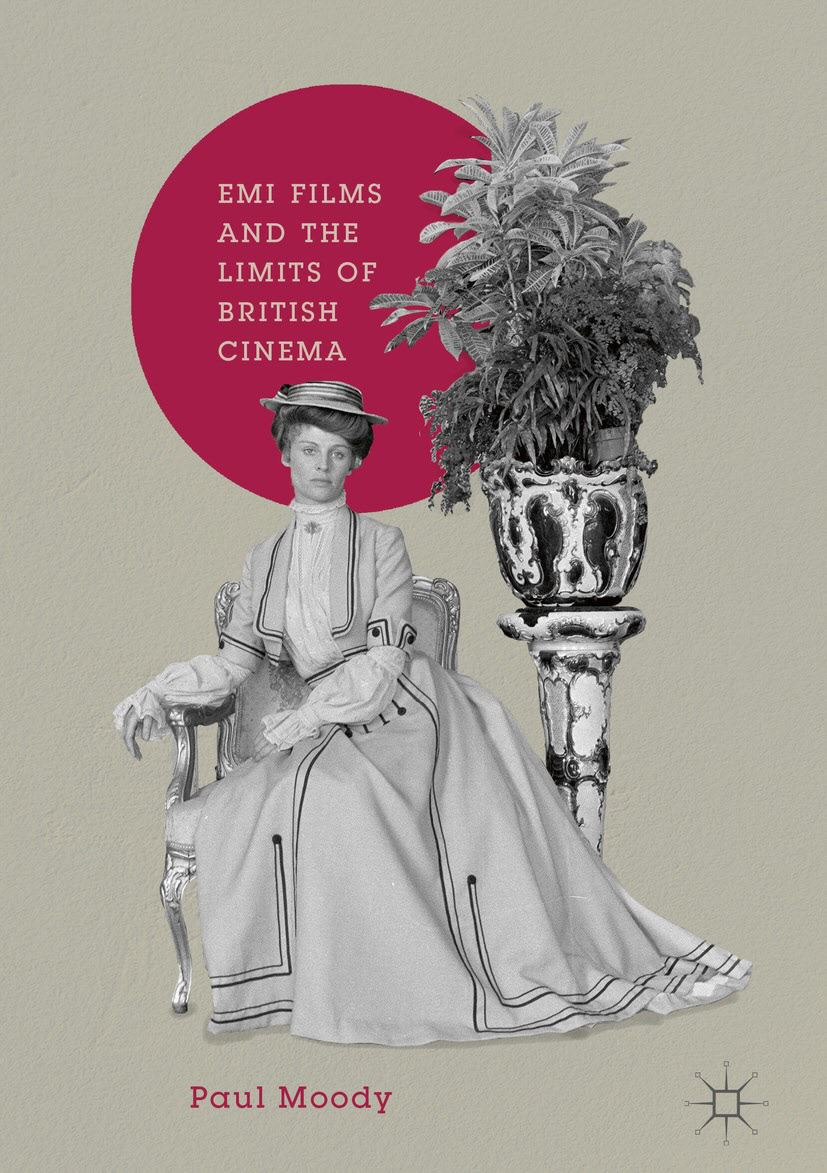
EMI Films and the Limits of British Cinema (2018) develops the first historical analysis of the largest British film company of the 1970s, EMI Films. The book argues that EMI’s amorphous nature as a ‘transnational’ film company problematizes traditional approaches to the creation of cultural ‘canons’ and the definition of ‘national culture’, with one reviewer commenting that it makes a ‘very significant contribution not only to British cinema history but also to British cultural history in general’.
Paul's work on the company’s output is an ongoing research interest and currently, he is developing a project with the British Film Institute on the career of EMI Films’ first Head of Production, Bryan Forbes, analysing his work as part of a wider examination of how polymathic artists can be interpreted by cultural historians.